How Cabinet Makers Design Kitchens For Everyday Functionality
It’s easy to fall in love with a kitchen based on looks alone, but the real test comes when you start using it every day. A beautiful space quickly loses its appeal if drawers don’t open properly, storage feels cramped or the layout makes simple tasks harder than they should be.
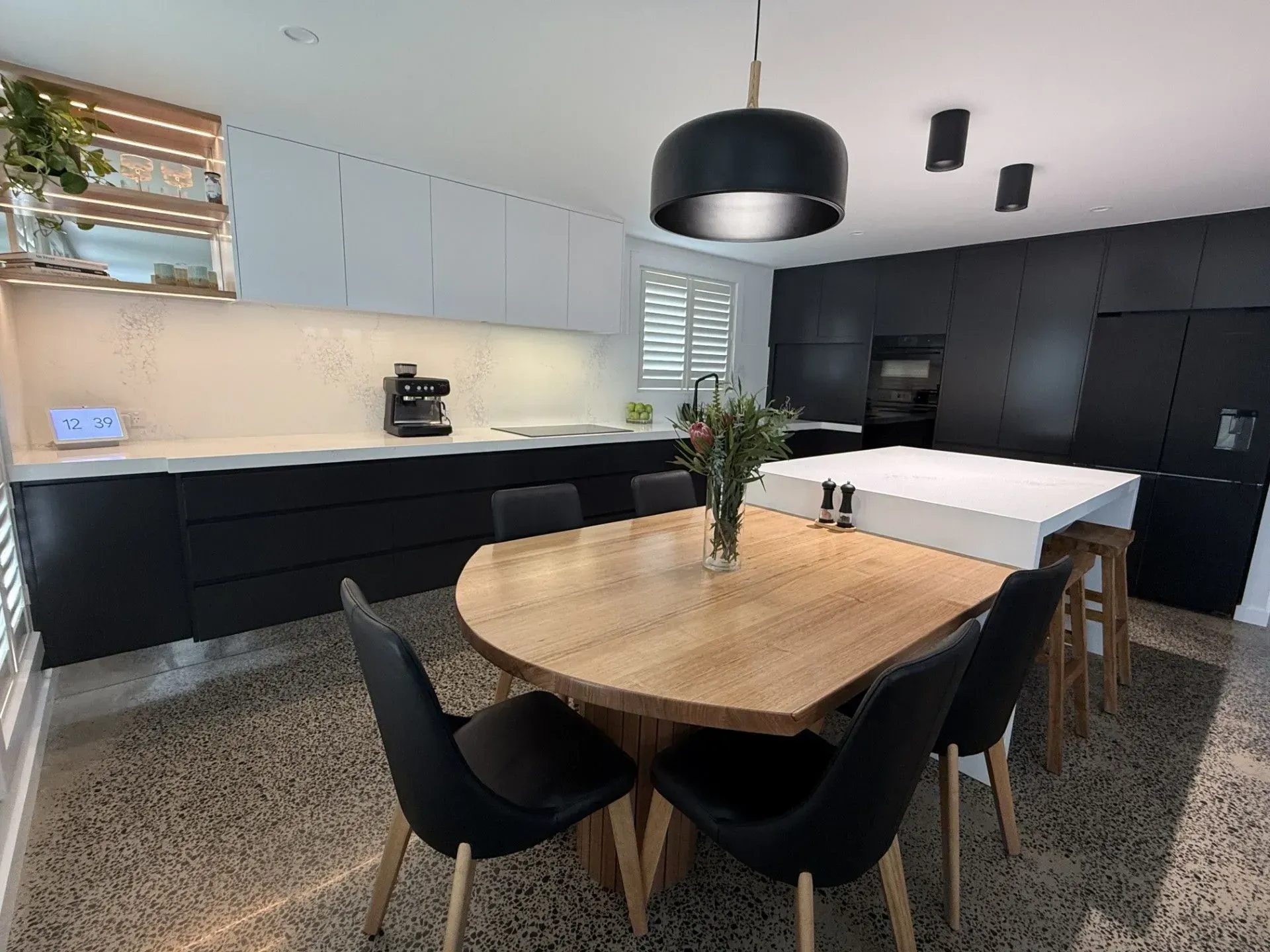
That’s where the skill of cabinet makers in Byron Bay comes into play — designing a functional kitchen that works seamlessly behind the scenes. If you’re exploring kitchen upgrades, understanding how professionals approach layout and storage can make a noticeable difference.
Designing a kitchen isn’t just about cabinetry — it’s about creating a space that supports how people move, cook and live. From clever storage to thoughtful layouts, every detail contributes to a smoother daily experience.
Understanding How People Use the Kitchen Daily
Before any design begins, cabinet makers focus on how the kitchen will be used. Every household has different routines so a one-size-fits-all layout rarely works.
Key considerations include:
- Cooking habits & frequency
- Number of people using the space at once
- Storage needs for appliances & utensils
- Entertaining or open-plan living requirements
By understanding these patterns, cabinet makers in Byron Bay can design a functional kitchen that reflects real-life use rather than just visual appeal.
The Importance of a Practical Kitchen Layout
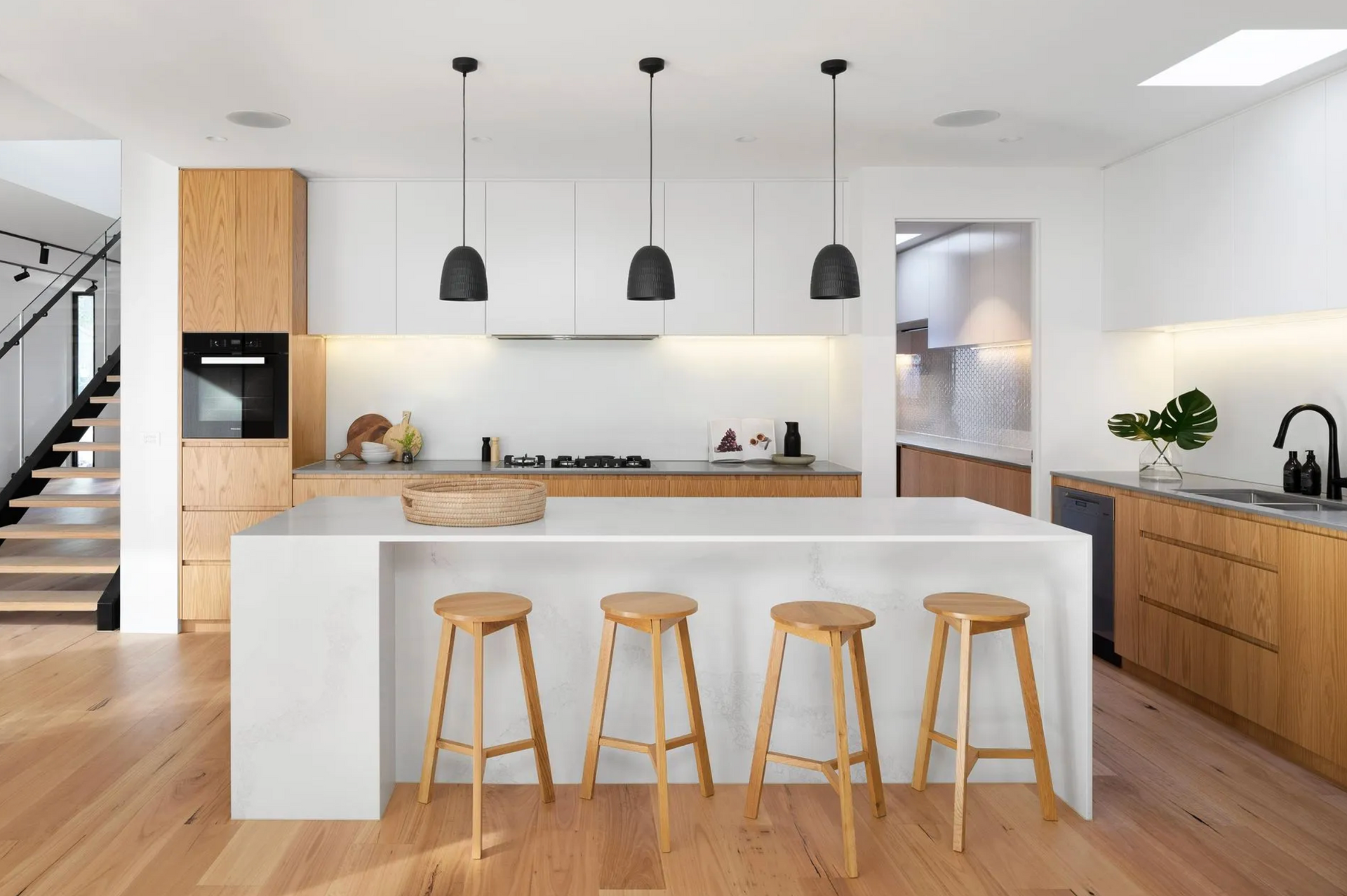
Layout is the foundation of a well-performing kitchen. The positioning of key areas like the sink, cooktop and fridge directly impacts workflow.
Effective layouts focus on:
- Reducing unnecessary movement between zones
- Keeping high-use areas within easy reach
- Creating clear pathways for safe movement
- Allowing multiple people to use the space comfortably
A well-planned layout ensures the kitchen feels intuitive and efficient from the moment it’s used.
Maximising Storage Without Overcrowding
Storage is one of the biggest challenges in kitchen design. Too little storage creates clutter, while too much can make the space feel heavy and crowded.
Smart storage solutions include:
- Deep drawers for pots & pans
- Vertical storage for trays & cutting boards
- Hidden compartments for small appliances
- Corner solutions that make use of unused space
For more ideas on optimising space, reach out to our friendly team.
Custom Cabinetry for Better Organisation
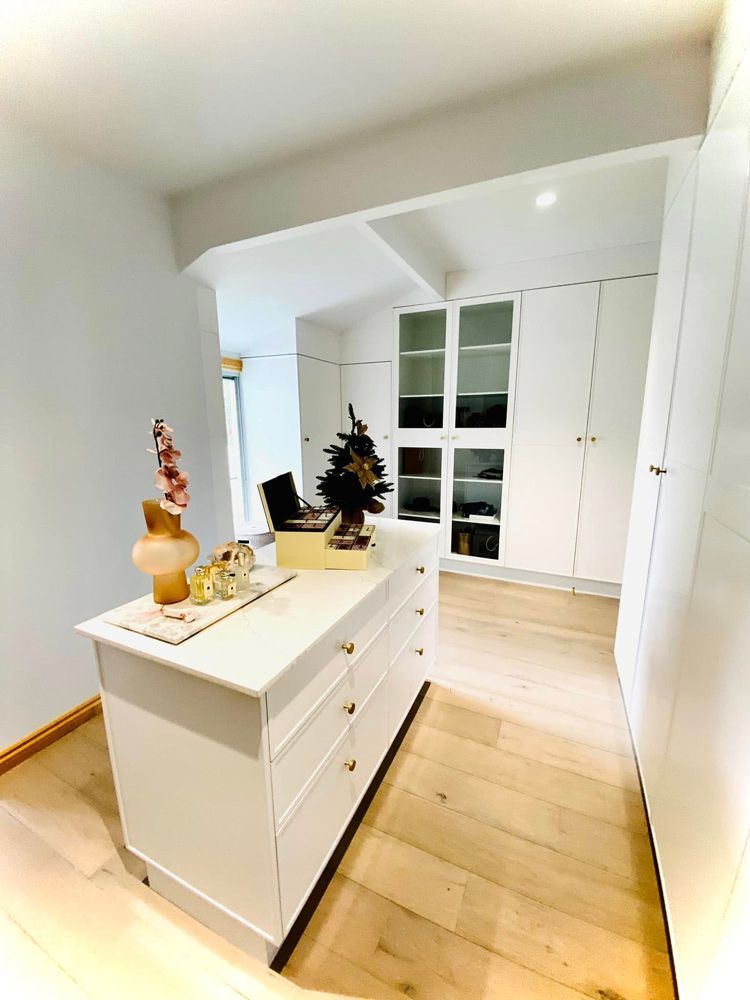
Standard cabinetry doesn’t always suit every home. Custom solutions allow for better organisation and more efficient use of space.
Benefits of custom cabinetry include:
- Tailored sizing for specific items
- Integrated storage for appliances
- Flexible shelving & drawer systems
- Improved accessibility
This approach helps create a functional kitchen where everything has a place and is easy to access.
Designing for Workflow & Efficiency
A kitchen should support a smooth flow of tasks, from preparation to cooking and cleaning. Cabinet makers consider how each step connects to the next.
Efficient workflow design includes:
- Positioning storage near work areas
- Keeping frequently used items within reach
- Minimising cross-traffic in busy zones
- Allowing space for preparation and serving
These details may seem small, but they have a big impact on how the kitchen feels during everyday use.
Materials That Support Long-Term Use
Functionality isn’t just about layout — it also depends on the materials used. Durable finishes and hardware contribute to long-term usability.
Material considerations include:
- Surfaces that resist wear & moisture
- Hardware that handles frequent use
- Finishes that are easy to clean
- Cabinet structures that maintain stability over time
Choosing the right materials helps maintain both the look and performance of the kitchen.
Integrating Appliances Seamlessly
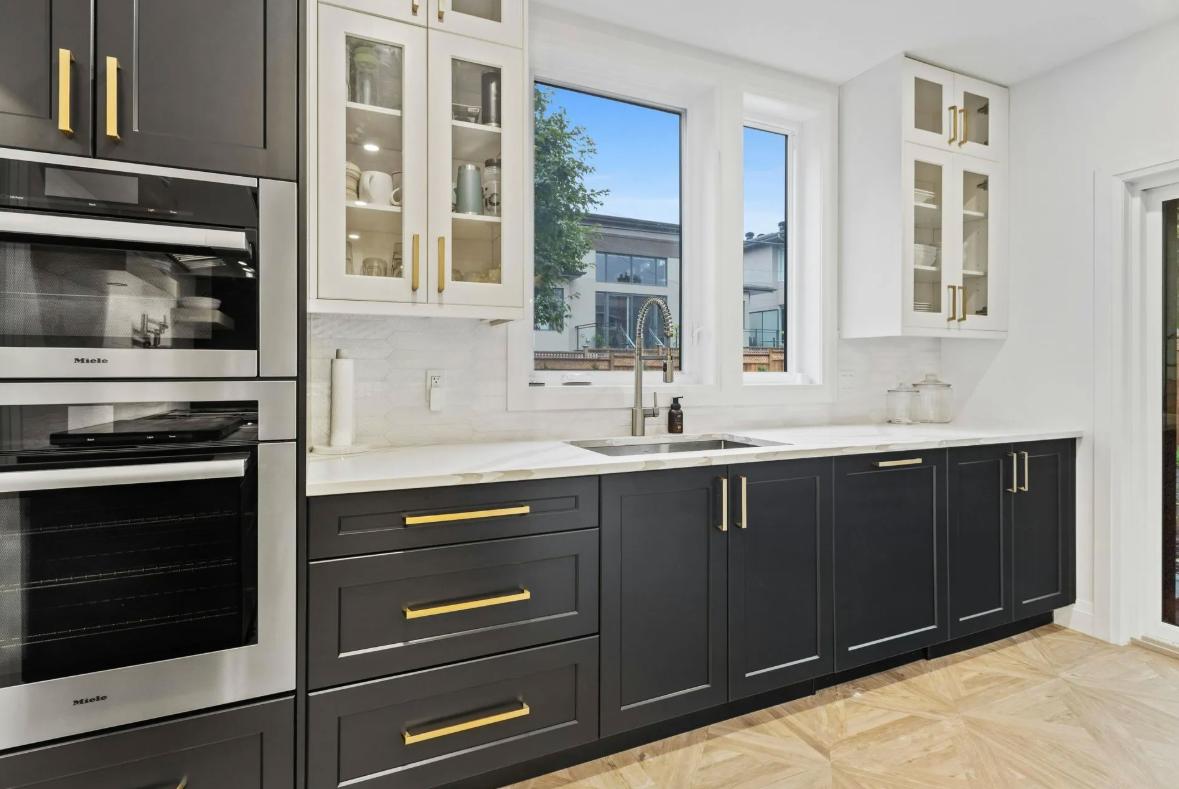
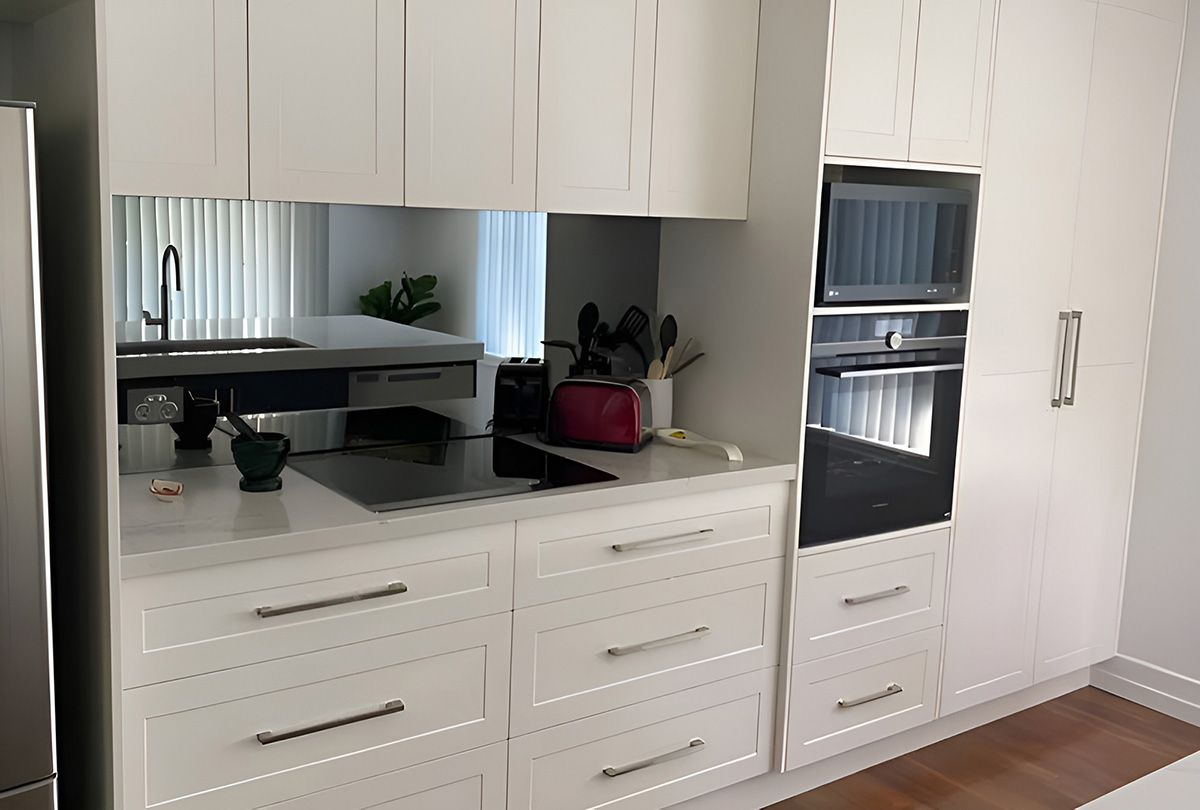
Modern kitchens often include a range of appliances and integrating them into the design can help maintain a clean and practical space.
Integration strategies include:
- Built-in appliances for a streamlined look
- Dedicated storage for smaller devices
- Concealed wiring & connections
- Easy access for maintenance & use
A well-integrated setup supports a functional kitchen without compromising on convenience.
Balancing Style With Everyday Practicality
While functionality is key, aesthetics still play an important role. The goal is to create a space that looks good and works well.
Balancing style and practicality involves:
- Choosing finishes that complement the home
- Using colours that enhance light & space
- Incorporating design features that don’t hinder usability
- Maintaining consistency across cabinetry & fixtures
A thoughtful balance ensures the kitchen remains enjoyable to use while still looking cohesive.
Ongoing Adaptability & Future Needs
Kitchens evolve over time and a well-designed space should be able to adapt. Cabinet makers often consider how the kitchen might be used in the future.
Future-focused design includes:
- Flexible storage options
- Space for additional appliances
- Durable layouts that suit changing needs
- Easy updates without major structural changes
Planning ahead helps maintain the kitchen’s usability as lifestyles change.
Bringing It All Together
Designing a functional kitchen is about more than fitting cabinets into a space. It’s about understanding how the kitchen will be used, anticipating challenges and creating solutions that make everyday tasks easier. By focusing on layout, storage and usability, cabinet makers in Byron Bay help transform kitchens into spaces that support daily life without unnecessary effort.
We at Paul Tagget Kitchens work with homeowners across Byron Bay to design kitchens that balance functionality with thoughtful design. If you’re planning a kitchen upgrade and want a space that works for your everyday routine, contact our team today to explore your options and get started on your next project.