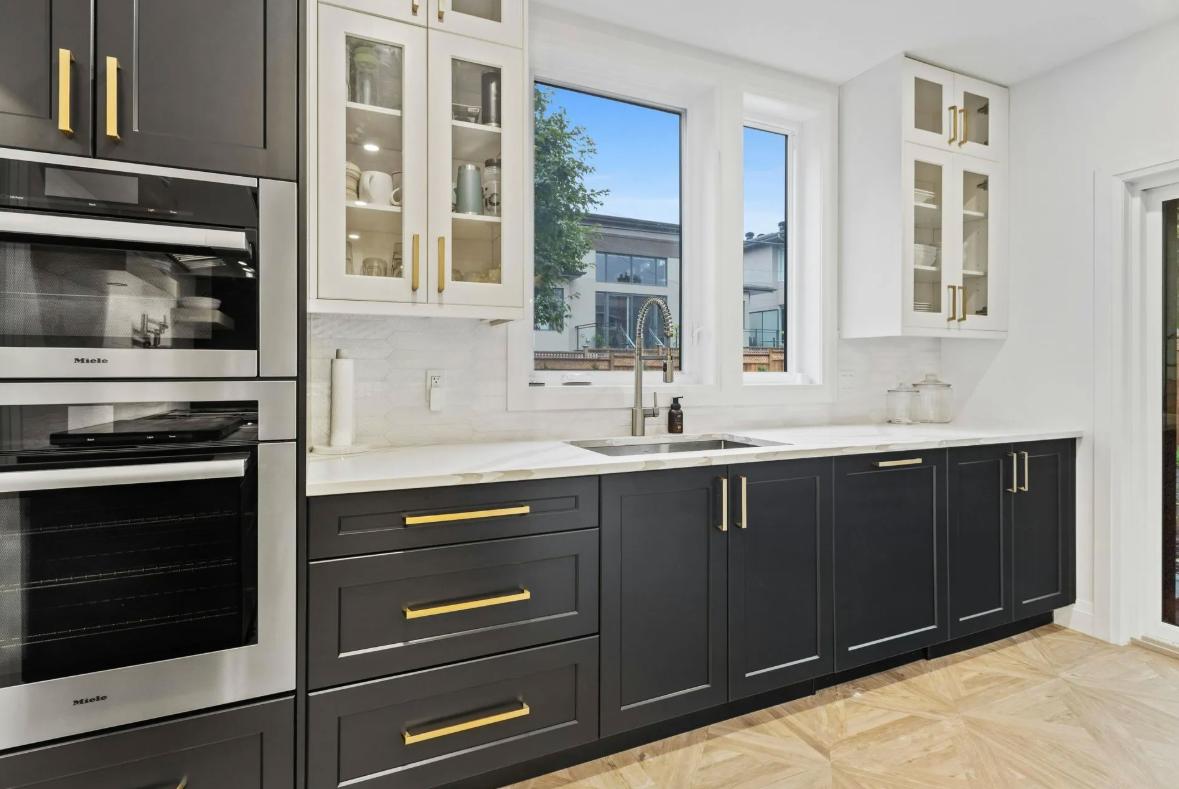
Kitchens are one of the most frequently used areas in any home, and cabinets carry much of that daily wear. Over time, even well-built cabinetry begins to show signs of ageing, reduced functionality or outdated design. For homeowners considering whether to repair or replace, recognising these signs early can help avoid ongoing issues and improve how the space is used.
For those exploring options with
cabinet makers in Byron Bay, understanding when cabinets have reached the point of replacement makes it easier to plan upgrades that improve both practicality and appearance.
Visible Wear & Structural Deterioration
One of the clearest indicators that cabinets need attention is visible damage. This may include warped panels, cracked doors, peeling finishes or water damage around sinks and appliances. In coastal areas or homes with high humidity, moisture exposure can accelerate deterioration, particularly in older materials.
Structural issues such as sagging shelves, loose hinges or doors that no longer align properly are also signs that cabinets are no longer performing as intended. While minor issues can sometimes be repaired, widespread damage often points to the need for replacement rather than ongoing patchwork fixes.
When cabinetry begins to lose its structural integrity, replacement is usually the more reliable long-term solution.
Difficulty Opening & Closing
Cabinet doors and drawers should operate smoothly and consistently. If they begin to stick, misalign or require force to open and close, it may indicate that the internal structure has shifted or that hardware has worn beyond simple adjustment.
Repeatedly fixing hinges or drawer runners may provide temporary relief, but if problems continue to return, it often means the cabinetry itself is no longer stable. This is particularly common in older kitchens where materials have expanded and contracted over time.
Homeowners speaking with cabinet makers in Byron Bay often find that persistent functional issues are a strong indicator that replacement is more practical than ongoing repair.
Outdated Layout & Limited Functionality
Even if cabinets are still structurally sound, they may no longer suit how the kitchen is used. Older layouts often lack efficient storage solutions, resulting in cluttered benches and underutilised space.
Deep corner cabinets, limited drawer systems and a lack of integrated storage can make everyday tasks less efficient. Modern cabinetry is designed to maximise accessibility, with features such as soft-close drawers, pull-out storage and better organisation.
If the kitchen feels difficult to use or does not support current needs, upgrading cabinetry can significantly improve functionality without necessarily requiring a full renovation.
Persistent Water Damage and Swelling
Water exposure is one of the most common causes of cabinet failure. Areas around sinks, dishwashers and plumbing connections are particularly vulnerable. Over time, even small leaks can cause swelling, delamination and weakening of materials.
Once moisture has penetrated the cabinet structure, repairs are often short-lived. The affected material may continue to deteriorate, leading to further damage.
In these cases, replacing the cabinets rather than attempting repeated repairs is usually the more effective approach. This also provides an opportunity to address underlying issues such as sealing and material selection.
Outdated Appearance That Affects the Space
Kitchen cabinets have a significant impact on the overall look of the space. Even if they remain functional, older styles, worn finishes or discoloured surfaces can make the entire kitchen feel dated.
While repainting or refacing can improve appearance in some cases, these options are not always suitable if the cabinet structure is already compromised. Updating cabinetry allows homeowners to align the kitchen with current design preferences while also improving durability.
For those considering
kitchen cabinet replacement, visual impact is often just as important as performance.
Increasing Maintenance & Ongoing Repairs
If cabinets require frequent adjustments, repairs or maintenance, it may be more cost-effective to replace them altogether. Continually fixing hinges, handles or damaged panels can add up over time without resolving the underlying issue.
This is particularly relevant when comparing the cost to replace kitchen cabinets against ongoing repair expenses. While replacement involves an upfront investment, it often provides better long-term value by eliminating recurring problems.
A professional assessment can help determine whether repair is still viable or if replacement is the more practical option.
Poor Use of Space & Storage Limitations
Storage needs tend to change over time. Kitchens that once felt adequate may become restrictive as household requirements evolve. Limited cupboard space, inefficient layouts or a lack of drawer storage can all contribute to a cluttered environment.
Modern cabinetry focuses on improving space efficiency, making it easier to organise kitchen items and keep surfaces clear. Upgrading cabinets can significantly improve usability without expanding the physical footprint of the kitchen.
When space is not being used effectively, it is often a sign that the cabinetry no longer meets current needs.
When Replacement Becomes the Better Option
Deciding whether to repair or replace cabinets comes down to the overall condition and performance of the existing structure. Isolated cosmetic issues may be addressed with minor updates, but widespread damage, functional problems or outdated layouts typically point towards replacement.
Working with experienced cabinet makers in Byron Bay allows homeowners to assess their current kitchen and understand the most suitable approach. Professional input helps identify whether improvements can be made through targeted upgrades or if full replacement will deliver better long-term results.
Improving Functionality & Longevity
Replacing kitchen cabinets is not just about improving appearance. It is also an opportunity to enhance durability, storage efficiency and overall usability. New cabinetry can be designed to suit how the kitchen is actually used, rather than adapting to outdated layouts.
For homeowners considering their options, taking the time to assess cabinet condition and performance can prevent ongoing issues and improve the overall function of the space.
Looking for a Cabinet Maker in Byron Bay?
At
Paul Tagget Kitchens, we work with homeowners looking to upgrade or replace cabinetry with practical, well-designed solutions. As experienced cabinet makers in Byron Bay, we help identify when replacement is the right step and deliver cabinetry that improves both function and appearance.
If your kitchen cabinets are showing signs of wear or no longer meet your needs,
contact Paul Tagget Kitchens to discuss your options and plan your upgrade.