
How To Maintain And Care For Your Kitchen Cabinets
Kitchen cabinets are one of the hardest-working elements in any home. They're opened and closed dozens of times a day, exposed to steam, grease, and moisture, and expected to look good while doing it. Knowing how to clean kitchen cabinets properly — and how to maintain them over the long term — is one of the simplest ways to protect that investment. This guide covers everything from routine cleaning and material-specific care through to hardware maintenance, environmental protection, and knowing when to call in the professionals.
Understanding Your Cabinet Material and Finish
Before reaching for any cleaning product, it pays to know what your cabinets are made of. Different materials and finishes respond very differently to moisture, heat, and cleaning agents — and using the wrong approach can cause permanent damage.
The most common cabinet types include:
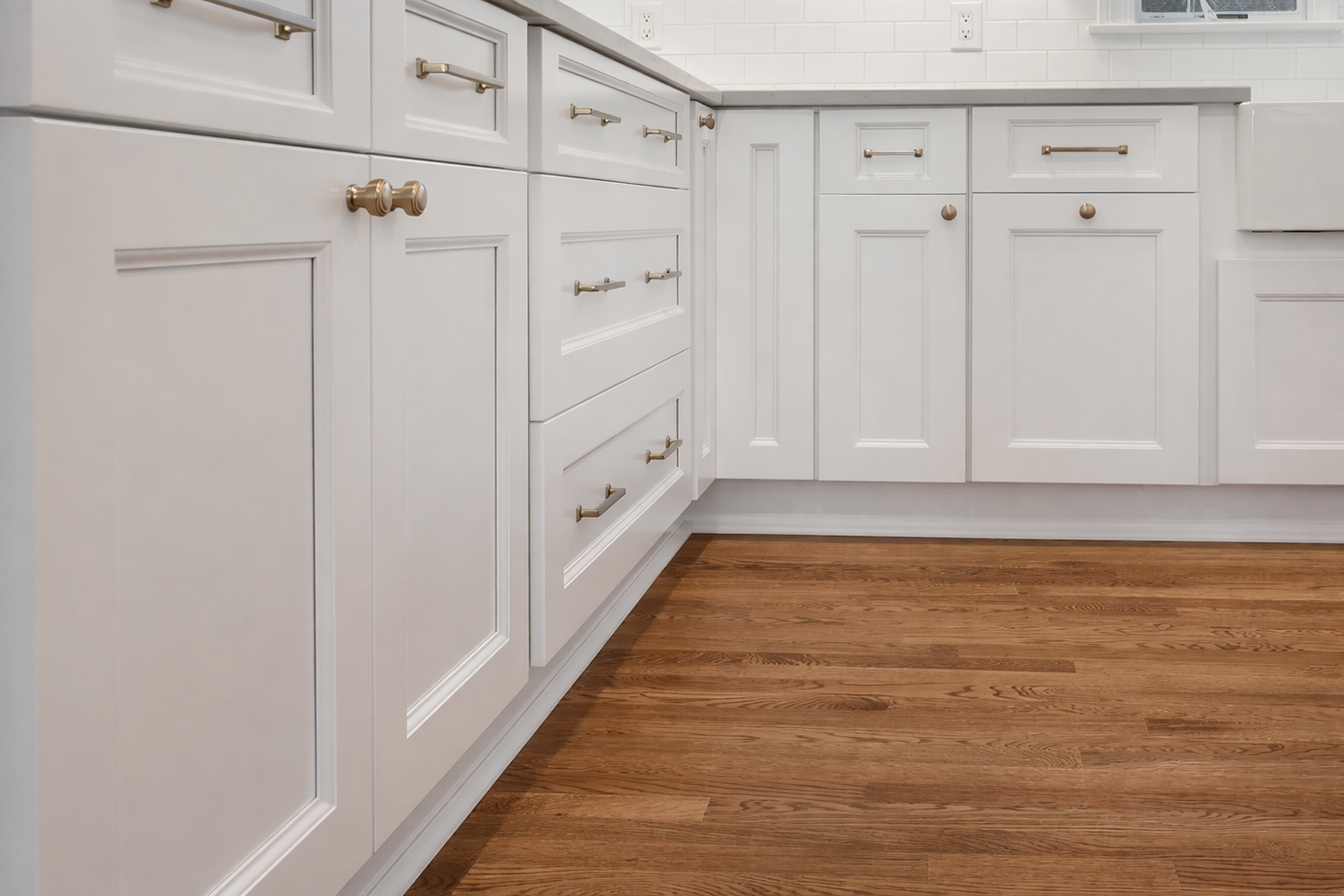
- Painted MDF or timber — smooth and popular in modern kitchens, but susceptible to chipping and moisture damage if not cleaned carefully.
- Timber veneer — offers the warmth of real wood with more stability, though it can still swell or warp with prolonged moisture exposure.
- Solid timber — durable and beautiful, but requires regular conditioning to prevent drying and cracking.
- Laminate and vinyl wrap — low-maintenance and moisture-resistant, though edges and joins can lift if exposed to excess heat or water.
- Two-pack polyurethane — a hard, high-gloss finish that's durable but shows scratches and fingerprints readily.
If you're unsure about the right approach for your specific finish, reputable cabinet makers in Byron Bay can advise on the best care practices for your cabinetry before you risk using the wrong product.
How to Clean Kitchen Cabinets Properly
Knowing how to clean kitchen cabinets correctly is one of the most effective ways to extend their life. The key is using gentle, non-abrasive methods consistently rather than letting grime build up to the point where harsher treatment becomes necessary.
For routine cleaning, all you need is:
- Warm water with a few drops of mild dish soap
- A soft microfibre cloth
- A dry cloth for immediate follow-up
Wipe down surfaces with the damp cloth, then dry immediately — leaving moisture sitting on any cabinet surface, even a sealed one, can cause damage over time. Avoid abrasive sponges, scouring pads, or spray cleaners containing bleach, ammonia, or strong solvents, as these can strip finishes, dull gloss surfaces, and cause irreversible discolouration.
For grease build-up around the stove or rangehood area, a solution of equal parts white vinegar and warm water works well on most painted and laminate surfaces. Apply with a soft cloth, leave for a minute, then wipe clean and dry thoroughly.
When in doubt, check with your local cabinet makers in Byron Bay or manufacturer for specific care recommendations before using any new product.
Tackling Grease, Grime, and Stubborn Stains
Even with regular cleaning, grease and grime build up over time — particularly on cabinet faces closest to the cooktop. A targeted approach works better than scrubbing harder with general-purpose cleaners.
Effective methods for stubborn build-up:
- Dish soap and warm water — a slightly stronger concentration applied with a soft cloth cuts through grease without risking the finish.
- Baking soda paste — mix baking soda with a small amount of water to form a paste, apply gently, and rinse thoroughly. Works well on painted and laminate cabinets.
- Diluted white vinegar — effective on grease, though avoid it on raw timber or wax-finished surfaces as the acidity can break down the coating.
Always follow up with a clean damp cloth and dry the surface promptly after any treatment.
Caring for Hinges, Handles, and Hardware
Cabinet hardware is easy to overlook, but hinges, handles, and drawer runners all affect how your kitchen functions day to day. Stiff doors, misaligned hinges, and sticky drawers are usually signs that hardware needs attention rather than replacement.
Keep hardware in good working order with these steps:
- Wipe down handles regularly — handles accumulate oils and bacteria from daily contact and should be wiped during routine cleaning.
- Check hinge alignment every six months — most modern hinges are adjustable with a screwdriver. Doors that sit unevenly or catch on the frame just need a small tweak.
- Lubricate drawer runners annually — a light application of dry lubricant or beeswax on timber runners keeps drawers gliding smoothly without attracting dust.
- Tighten loose screws — handles and hinges work themselves loose over time. A quick check prevents bigger issues from developing.
Protecting Cabinets from Moisture and Heat
The kitchen environment is inherently tough on cabinetry. Steam from cooking, moisture near the sink, and heat from appliances all take a toll — especially on cabinets closest to these sources.
Practical steps to reduce environmental damage:
- Use your rangehood consistently — running it while cooking significantly reduces the steam and grease that settle on nearby cabinet surfaces.
- Wipe up spills immediately — water pooling at the base of cabinets near the sink is one of the most common causes of swelling and finish damage.
- Keep appliances clear of overhead cabinets — toasters, kettles, and air fryers direct consistent heat and steam upward, which accelerates wear on cabinet bases and finishes.
- Allow for air circulation — don’t pack lower cabinets so tightly that air can’t move, particularly under the sink where moisture can accumulate.
Maintaining Timber and Natural Finish Cabinets
Timber cabinets require a little more attention than sealed or laminate surfaces, but the effort pays off. Well-maintained natural timber improves with age in a way synthetic materials simply can't replicate.
Key care tips for timber:
- Condition annually — use a quality timber conditioning oil or cabinet-specific polish once a year to replenish moisture and prevent cracking.
- Avoid prolonged water contact — even sealed timber absorbs moisture through joins and end grain. The area around the sink warrants extra attention.
- Protect from direct sunlight — UV exposure can fade and discolour timber unevenly. UV-filtering window treatments help if direct sun hits your cabinetry.
- Expect seasonal movement — timber expands and contracts with humidity changes. Some minor door movement across seasons is normal.
When to Refinish, Repair, or Replace
A common misconception is that worn or damaged cabinets need full replacement. In many cases, refinishing or targeted repair is a far more cost-effective option — particularly when the cabinet boxes themselves are still structurally sound.
Signs that repair or refinishing is worth considering:
- Surface scratches or scuff marks — often addressed with touch-up paint or a fine-grit sand and recoat.
- Peeling or lifting veneer — small sections can be re-adhered with contact cement before the issue spreads.
- Faded or discoloured finish — a professional repaint or recoat can restore appearance without the cost of full replacement.
- Damaged doors but sound boxes — replacing doors and drawer fronts only, while keeping the existing cabinet structure, is a popular and cost-effective approach.
Experienced
cabinet makers in Byron Bay can assess your cabinetry and advise on the most practical and cost-effective path forward before you commit to a full renovation.
Building a Long-Term Cabinet Care Routine
Consistency is what separates cabinets that look great after twenty years from those that look worn out after five. A simple, regular routine is far more effective than occasional deep cleaning.
A practical maintenance schedule:
- Weekly — wipe down cabinet faces with a damp microfibre cloth, focusing on areas around the cooktop and sink.
- Monthly — clean hardware, check for moisture damage near the sink, and address any grease build-up.
- Every six months — adjust hinge alignment, lubricate drawer runners, and inspect joins and edges for lifting or peeling.
- Annually — condition timber surfaces if applicable, complete a full hardware check, and assess whether any doors or drawers need adjustment or repair.
Get in Touch
At Paul Tagget Kitchens, we believe that great cabinetry deserves to be looked after. If you're in the Byron Bay region and your cabinets are showing signs of wear beyond routine maintenance — or if you're planning a new kitchen from the ground up — our team is ready to help.
We work with homeowners to choose the right materials, finishes, and designs for kitchens that hold up beautifully over time.
Get in touch today to arrange an obligation-free consultation.